For years, leave compliance came in two parts: federal law and whatever your state required. But that era is over.
Today a single employee’s leave can involve five or six overlapping requirements. The newest requirements aren’t coming from Washington or the statehouse; they’re coming from local counties and cities.
Start with the federal baseline most HR teams know well:
Then come the states. More than a dozen states plus DC now have paid family and medical leave programs live or on the way. A few others have shown serious interest in launching a program of their own, but that doesn’t mean the momentum has stopped. It has moved down a level.
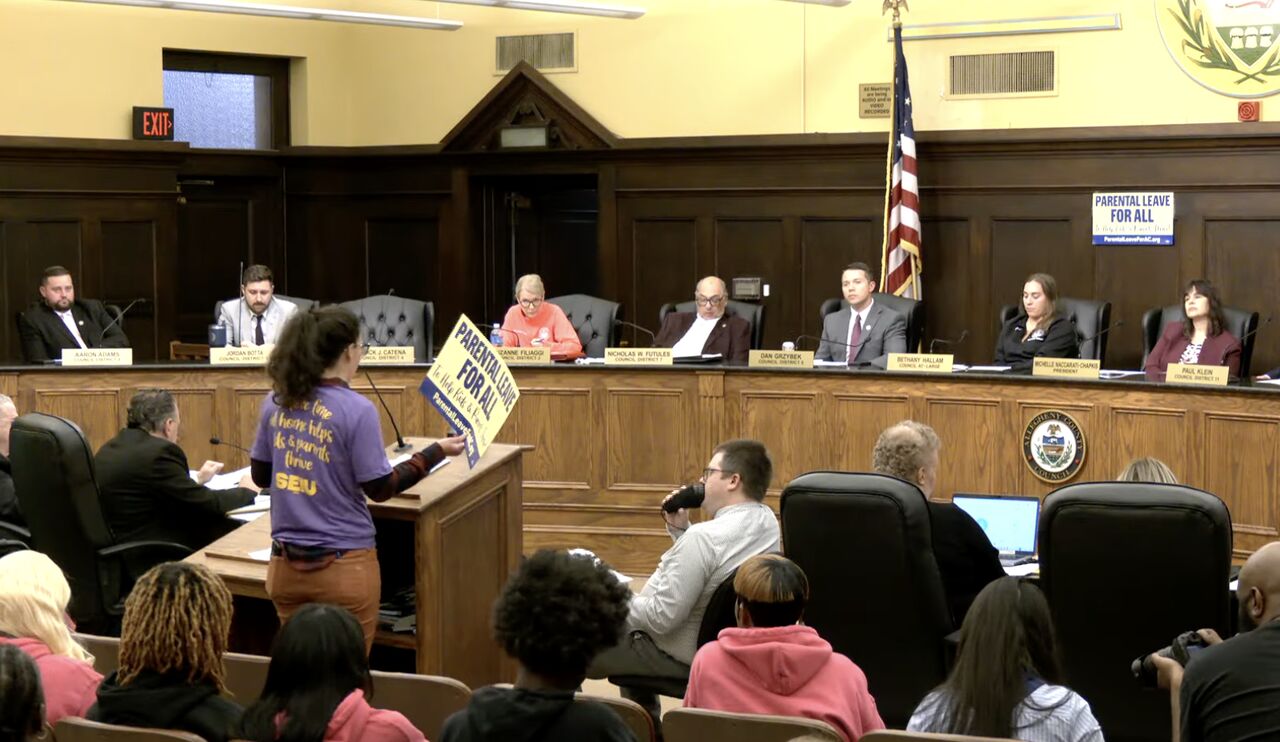
On October 20, 2026, Allegheny County Council voted 11-4 to pass a paid parental leave mandate for the county that includes Pittsburgh. County Executive Sara Innamorato signed it into law two days later, making Allegheny the first county in the US with a paid parental leave mandate.
Here’s what the new law requires:
Two details matter here:
We expect more of these types of mandates to come, since local governments usually can’t add new taxes easily. If local municipalities want to expand paid leave, they’ll require employers to provide it directly. The most likely places are those that already require paid sick leave but are in states with no paid family leave program, such as Cook County in Illinois.
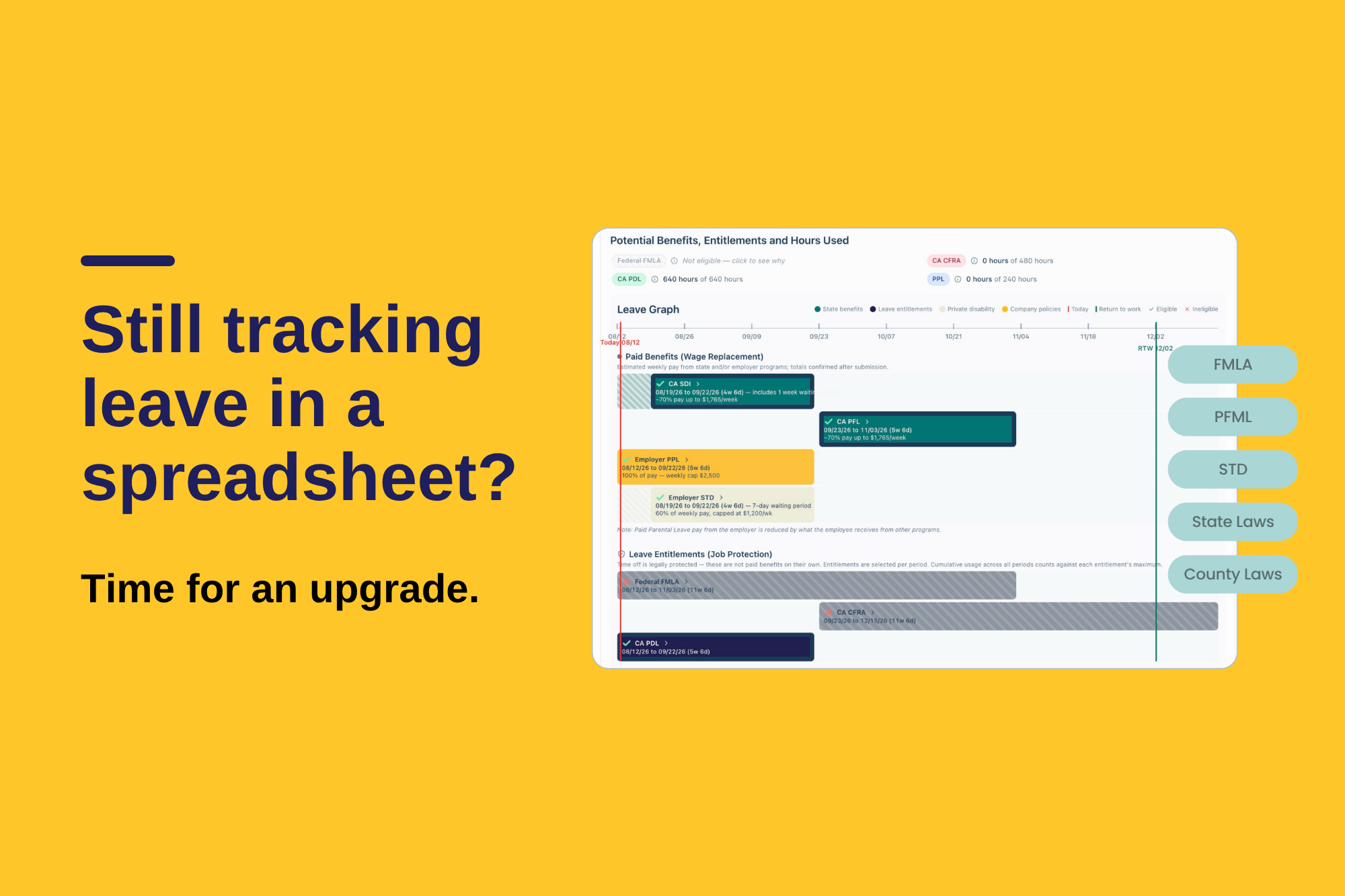
Picture a single employee welcoming a child. Their leave might involve:
Each has its own eligibility rules, timelines, paperwork and pay calculations. Some run at the same time. Some run consecutively. Get one thing wrong and you could easily either overpay or underpay.
All this complexity is exactly why we built the Parento Leave Management System. It checks every leave request against federal and state laws, including FMLA, and shows the reasoning behind each determination. It tracks leave across FMLA, state entitlements, USERRA and your own leave benefits, and automatically maps where federal and state entitlements overlap.
If your team is unsure how to manage all these overlapping policies, we’d love to show you how it works. Schedule a free demo and we’ll walk you through how easy the process can be. Plus, if you’re interested, we’re offering a free trial to any company with 10 or more employees.